
Eco-friendly garden building setup: a practical guide
TL;DR:
- An eco-friendly garden building minimizes environmental impact through responsible site selection, sustainable materials, and low-impact construction. It requires an integrated lifecycle approach, including design, material sourcing, prefabrication, and ongoing maintenance. Prioritizing disassembly, recycling, and natural treatments extends the building’s sustainability across its entire lifespan.
An eco-friendly garden building setup is a garden structure designed and built to minimise environmental impact across its entire lifecycle, from site selection and materials through to construction, maintenance, and eventual end of life. The US EPA defines green building as environmentally responsible and resource-efficient throughout every phase of a building’s life. For garden enthusiasts in the UK, this means thinking beyond just the timber you choose. It means considering where you place your building, how it is constructed, and how you will care for it over the years ahead.
What makes an eco-friendly garden building setup work?
A truly sustainable garden design is not about ticking one green box. It requires an integrated approach across all phases, not just swapping in eco materials or adding a wildflower patch nearby. The most effective setups combine smart site planning, responsible material sourcing, low-impact construction methods, and long-term maintenance thinking. Get all four right and you have a garden building that genuinely reduces its footprint rather than just looking the part.
The industry term for this whole-picture thinking is lifecycle assessment, often shortened to LCA. It measures the environmental impact of a building from the moment raw materials are extracted right through to demolition or reuse. Understanding LCA helps you make better decisions at every stage, rather than focusing only on what the building looks like on day one.
How to choose the best site for your garden building
Where you place your building matters more than most people realise. A well-chosen spot can cut energy use, reduce water runoff, and protect the existing ecology of your garden. A poorly chosen one can undo every other green decision you make.
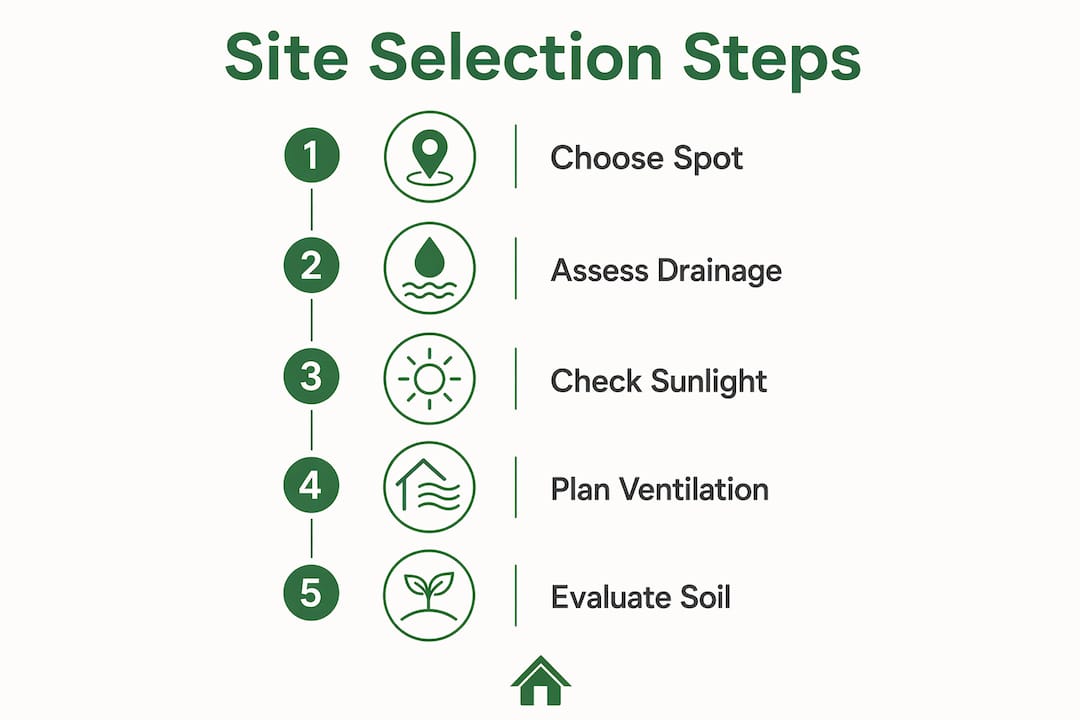
Here are the key factors to consider when selecting your site:
- Sun exposure. Position your building to make the most of natural light and passive solar warmth. A south-facing aspect in the UK reduces the need for artificial heating and lighting.
- Drainage. Avoid low-lying areas where water collects. Poor drainage leads to damp, which shortens the life of any timber structure and increases maintenance demands.
- Minimal soil disruption. Choose a compact footprint and avoid disturbing mature tree roots or established planting. Healthy soil supports biodiversity and manages water naturally.
- Distance from utilities. The closer your building is to existing water and electricity supplies, the shorter the runs of pipe and cable needed. Shorter runs mean less material and less disruption.
- Connectivity. Site location choices that reduce the need for long trips to reach your building also reduce transport-related emissions over time, particularly relevant for working garden studios or home offices.
- Integration with existing ecology. Work with what is already there. Placing a building near existing hedgerows or trees provides natural shelter, reduces wind exposure, and supports wildlife corridors.
Once you have chosen your spot, think about how the design itself can work with the site. Natural ventilation, roof overhangs that shade summer sun while allowing winter light in, and rainwater collection from the roof are all features worth building in from the start. For ideas on how different designs handle these challenges, the garden building inspiration gallery at Logcabinkits is a good starting point.
Which materials are best for low-impact garden buildings?
Material choice is where many people focus their attention, and rightly so. But it is worth knowing the full picture before you decide. Lifecycle CO₂ data from Brunel University shows that steel carries around 325 kg CO₂-equivalent per square metre, wood around 327 kg CO₂-equivalent, and concrete approximately 389 kg CO₂-equivalent across key life phases. These figures are closer together than most people expect, which means the source and end-of-life plan for your materials matters just as much as the material type itself.
| Material | Approximate CO₂ impact (per m²) | Key sustainability consideration |
|---|---|---|
| Timber (responsibly sourced) | 327 kg CO₂-eq | Carbon stored in wood; choose FSC or PEFC certified |
| Steel | 325 kg CO₂-eq | High recyclability; embodied energy is significant |
| Concrete | 389 kg CO₂-eq | Highest impact; avoid unless structurally necessary |
| Recycled composites | Lower than virgin materials | Check recyclability at end of life |
| Reclaimed timber | Significantly lower | Reduces demand for new extraction |
Responsibly harvested timber certified by the Forest Stewardship Council (FSC) or the Programme for the Endorsement of Forest Certification (PEFC) is the most practical choice for garden buildings in the UK. It stores carbon during its life and, when sourced locally, cuts transport emissions too. Using reclaimed materials can reduce embodied carbon by 20 to 44%, making it one of the most impactful decisions you can make.
Modular and prefabricated components also deserve a mention here. They are manufactured to precise tolerances in a factory, which means less offcut waste and more consistent quality. Structural insulated panels (SIPs) offer excellent thermal performance and are worth considering for any garden building you plan to use year-round.
Pro Tip: When a supplier makes eco claims about their materials, ask for the specific certification or LCA data behind the claim. Greenwashing is common in the building industry, and a genuine supplier will always be able to point you to verifiable evidence.
Construction methods that cut environmental impact
How your building is put together has a huge bearing on its overall environmental footprint. Prefabrication reduces construction-phase emissions by over 90% by moving work from site to a controlled factory setting. That is not a small improvement. It is the single biggest lever available during the build phase.
Here is a practical step-by-step approach to keeping your build as low-impact as possible:
- Choose a prefabricated or kit-build system. Factory-built components arrive on site ready to assemble. This cuts onsite waste, reduces noise and dust, and shortens the build time by 30 to 50% compared with traditional methods.
- Prepare the ground carefully. Use a minimal, permeable base where possible. Gravel or timber decking on adjustable feet disturbs less soil than a full concrete slab and allows water to drain naturally.
- Manage waste from day one. Set up separate bins for timber offcuts, packaging, and general waste before work begins. Timber offcuts can often be reused or composted; packaging should be recycled.
- Use renewable energy on site. If you need power tools during assembly, a battery-powered set charged from a solar source keeps the build clean. Many modern cordless tool ranges from brands like DeWalt and Makita are well suited to this.
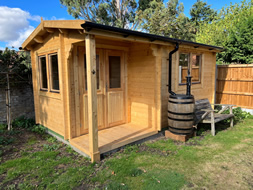
- Install water-saving features during the build. Fit a rainwater harvesting butt to the downpipe before you finish. It costs very little at this stage and saves significantly on water use later.
- Design for disassembly. Use bolted connections rather than adhesives where possible. A building that can be taken apart and reassembled, or have components replaced individually, has a far longer useful life and a much lower end-of-life impact.
The carbon reduction potential of prefabrication is well established in research, but it is worth noting that this primarily addresses the construction phase rather than the full lifecycle. Combining prefabrication with good LCA-informed design gives you the best of both approaches.
Pro Tip: Ask your supplier whether their kit uses screwed or bolted connections throughout. Buildings assembled with screws rather than nails are far easier to disassemble cleanly at end of life, which opens up reuse and recycling options that glued or nailed structures simply do not have.
How to maintain your garden building sustainably
Maintenance is the part of sustainable garden design that most people underestimate. A well-maintained timber building can last 30 to 50 years. A neglected one may need replacing in under a decade, which wipes out every environmental saving made during construction.
Here are the key maintenance habits that keep your building’s footprint low:
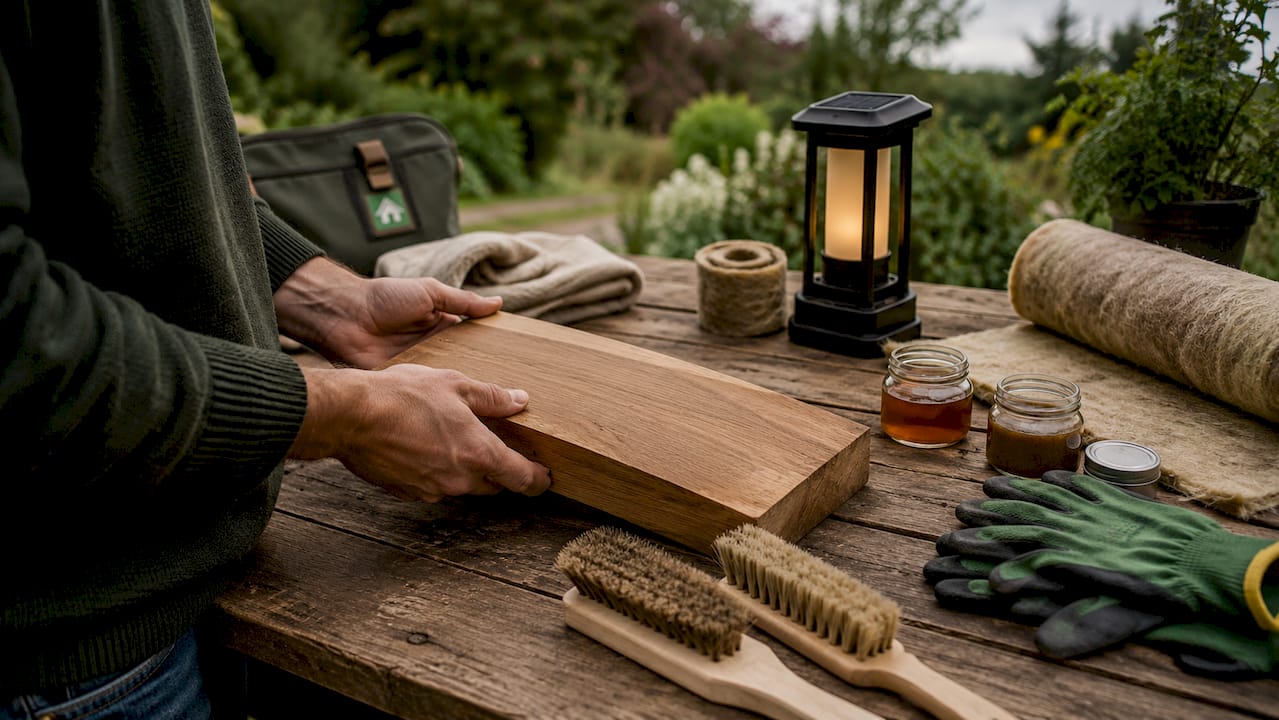
- Use natural wood treatments. Products based on linseed oil, beeswax, or natural plant resins protect timber without introducing synthetic chemicals into your garden soil or waterways. Brands like Osmo and Treatex offer ranges that are widely available in the UK.
- Inspect annually. Check joints, roof felt or shingles, and any ground-level timbers each spring. Catching small issues early prevents the kind of rot that requires full panel replacement.
- Conserve water during cleaning. A brush and bucket uses a fraction of the water that a pressure washer does. It is also gentler on timber surfaces and protective coatings.
- Avoid biocides where possible. Many off-the-shelf wood treatments contain biocides that persist in soil. Natural alternatives perform well on garden buildings that are not in constant contact with moisture.
- Plan for modular upgrades. If your building uses standard panel sizes, individual sections can be replaced without demolishing the whole structure. This extends the building’s life and keeps waste to a minimum.
High-performance building design consistently points to optimised maintenance as one of the most cost-effective ways to conserve resources over a building’s lifetime. The principle applies just as well to a garden log cabin as it does to a commercial office block. For further reading on how design choices affect long-term sustainability, the eco-friendly garden rooms article from Logcabinkits covers this in more detail.
Key takeaways
A genuinely eco-friendly garden building setup requires sustainable site selection, responsibly sourced materials, prefabricated construction, and proactive maintenance working together across the full lifecycle.
| Point | Details |
|---|---|
| Site selection matters first | Choose a south-facing, well-drained spot that minimises soil disruption and reduces energy needs. |
| Materials need certification | Use FSC or PEFC certified timber and reclaimed materials to cut embodied carbon by up to 44%. |
| Prefabrication cuts emissions | Factory-built systems reduce construction-phase emissions by over 90% and onsite waste by up to 50%. |
| Design for disassembly | Bolted connections allow future reuse and recycling, extending the building’s useful life significantly. |
| Maintenance extends lifespan | Annual inspections and natural treatments can double the working life of a timber garden building. |
What I have learned from years of eco garden builds
I have seen a lot of garden building projects over the years, and the ones that genuinely deliver on sustainability are rarely the ones with the flashiest green credentials on paper. They are the ones where the owner thought carefully about placement, chose a supplier who could explain their timber sourcing, and then actually kept up with annual maintenance.
The biggest mistake I see is treating eco-friendliness as a one-time purchase decision. People spend weeks researching certified timber and then use a chemical-heavy preservative every year, or they install a beautiful prefab cabin on a full concrete slab that prevents any natural drainage. Sustainability is a habit, not a product.
Prefabrication genuinely excites me at the moment. The LCA-based evidence for its construction-phase benefits is now very strong, and the quality of factory-built timber systems has improved enormously. A well-designed kit cabin from a reputable supplier is, in my view, the most practical route to a low-impact garden building for most UK homeowners.
One thing I would encourage you to think about that rarely comes up in these guides: the end-of-life plan. Before you buy, ask yourself whether the building can be disassembled and moved, whether the panels can be recycled, and whether the supplier offers any take-back or refurbishment service. The answers will tell you a great deal about how seriously a company takes sustainability beyond the marketing. You can find some useful context on how design trends are responding to these questions in the popular design trends piece from Logcabinkits.
— Martin
Explore bespoke eco-friendly garden buildings from Logcabinkits
If you are ready to put these ideas into practice, Logcabinkits makes it straightforward. The range of quality timber garden buildings includes everything from compact garden studios to multi-room log cabins, all built from responsibly sourced timber with energy-efficient design options built in.
Every cabin can be customised to suit your site, your garden, and your sustainability goals. The team at Logcabinkits is happy to talk through your options, whether you want a standard model adjusted to fit an awkward plot or a fully bespoke cabin design from scratch. Free UK delivery is included, and the ordering process is designed to be as simple and stress-free as possible.
FAQ
What is an eco-friendly garden building setup?
An eco-friendly garden building setup is a garden structure planned and built to reduce environmental impact across its full lifecycle, covering site selection, materials, construction, maintenance, and end of life. The US EPA describes this whole-lifecycle approach as the foundation of genuine green building practice.
Does prefabrication really make a garden building more sustainable?
Yes. Prefabrication reduces construction-phase emissions by over 90% and cuts onsite waste by up to 50%, making it one of the most effective ways to lower the environmental impact of a garden building project.
What timber certification should I look for?
Look for FSC (Forest Stewardship Council) or PEFC (Programme for the Endorsement of Forest Certification) marks. Both confirm that the timber has been sourced from responsibly managed forests, which supports biodiversity and reduces deforestation.
How often should I treat a timber garden building?
Most timber garden buildings benefit from a natural oil or wax treatment every one to two years, depending on exposure. Annual inspection in spring allows you to catch any areas where the coating has worn before moisture can penetrate the wood.
Can I use recycled materials in a garden building?
Absolutely. Reclaimed and recycled materials can reduce embodied carbon by 20 to 44% compared with virgin materials. Reclaimed timber, recycled composite decking, and salvaged roofing materials are all practical options for garden building projects.