
What is a cabin veranda? Your complete guide
TL;DR:
- A cabin veranda is a roofed, ground-level outdoor platform attached to a cabin and designed for outdoor living. It offers weather protection, expands usable space, and adds value to the home, especially when integrated with heating and proper orientation. Proper planning during the cabin’s design ensures maximum enjoyment and long-term functionality of the veranda.
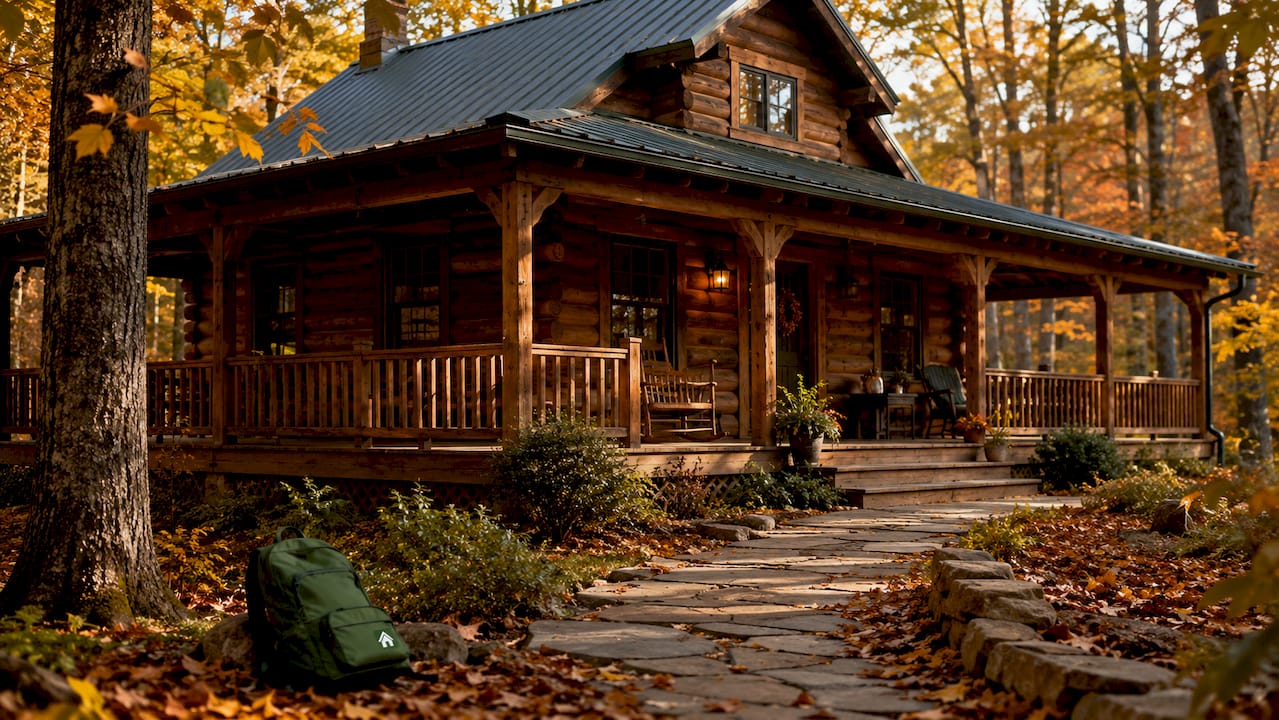
A cabin veranda is defined as a roofed, ground-level, open-air platform attached to the exterior of a cabin, designed to extend your living space into the outdoors. It wraps one or more sides of the cabin and acts as a dedicated outdoor living area, not just a covered doorstep. Understanding what is a cabin veranda helps you make smarter decisions about home improvement, outdoor relaxation, and the overall value of your garden building. Logcabinkits builds garden log cabins with verandas as standard or as bespoke additions, so this guide covers everything you need to know before you plan yours.
What is a cabin veranda and how does it differ from other outdoor structures?
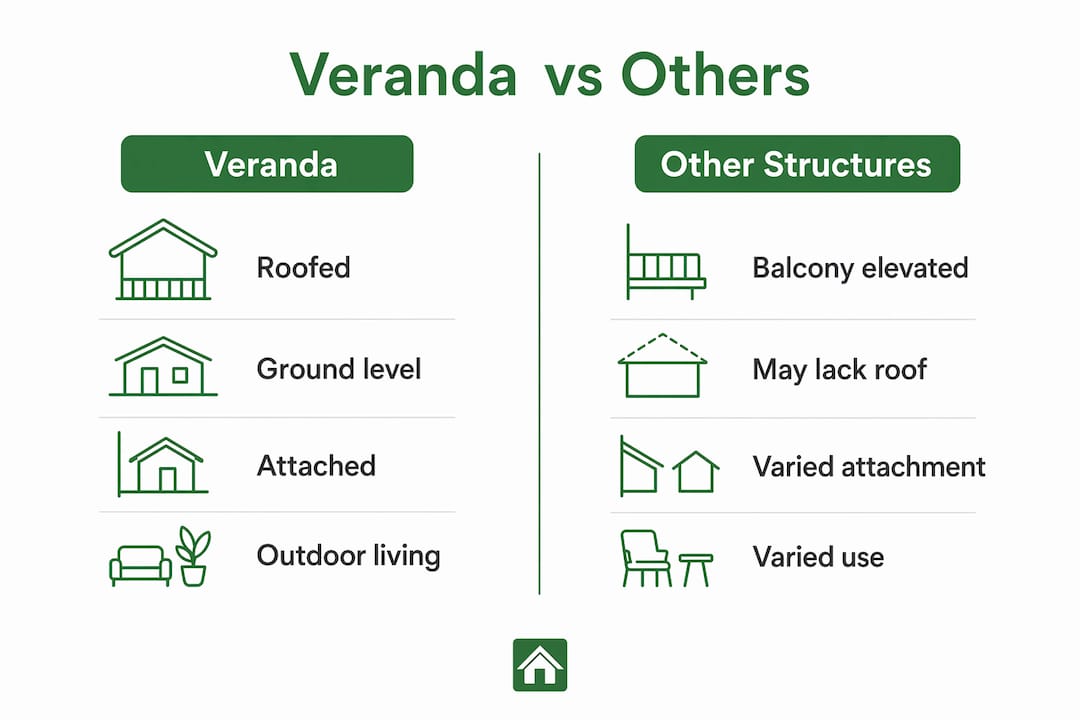
A cabin veranda is a roofed, ground-level platform always connected to the cabin’s main structure and accessed through a side or front door. That roof is the defining feature. Without it, you have a patio or a deck, not a veranda.
The cabin veranda definition becomes clearer when you place it alongside similar structures. Architects stress that verandas invite sustained outdoor living, not just a quick transition from indoors to garden. A porch, by contrast, is often a simple covered entry. A veranda is larger, wraps further around the building, and is furnished for sitting, dining, and relaxing.
A balcony sits at an elevated floor level and may or may not have a roof. A veranda always sits at ground level with a solid roof. A pergola can be freestanding and typically lacks a solid roof, making it structurally and functionally different. A patio is an open, unroofed surface, usually paved, with no overhead protection at all.
The table below summarises the key differences at a glance.
| Structure | Roof | Floor level | Attached to building | Primary purpose |
|---|---|---|---|---|
| Veranda | Solid, always | Ground | Yes, always | Outdoor living space |
| Porch | Usually | Ground | Yes | Entry or transition |
| Balcony | Sometimes | Elevated | Yes | Viewing or small seating |
| Patio | No | Ground | Optional | Open-air relaxation |
| Pergola | Partial or none | Ground | Optional | Shade or garden feature |
Pro Tip: When planning a cabin veranda, check that the roof integrates with the cabin’s primary roofline rather than sitting as a bolt-on addition. A mismatched attachment risks water pooling at the join and loses the climate-control benefits a proper veranda provides.
What are the benefits of adding a veranda to your cabin?
A veranda adds genuine, usable outdoor space to your cabin. It is not decorative. It gives you a shaded, weather-protected area where you can sit comfortably in light rain, strong sun, or a cool evening breeze.
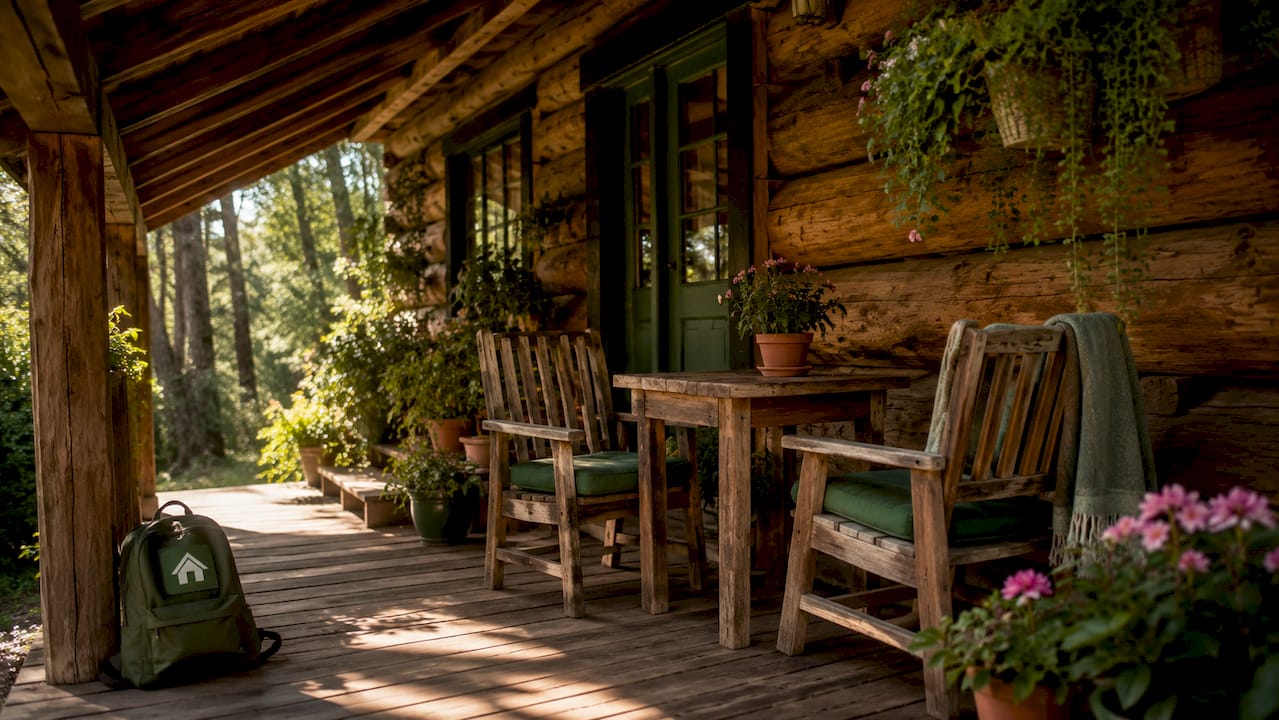
Verandas add significant home value and are especially desirable in climates where shaded, breezy outdoor areas matter for daily comfort. A well-built veranda makes your cabin feel larger and more connected to the garden without requiring any internal building work.
The practical benefits are wide-ranging:
- Weather protection. A solid roof keeps you dry in rain and shaded in summer heat, extending the months you can use the space.
- Social space. A veranda gives you room for outdoor dining, evening drinks, or simply reading with a view of the garden.
- Architectural appeal. A veranda softens the transition between the cabin and the garden, giving the building a more finished, considered look.
- Flexible use. You can furnish it for relaxation one season and rearrange it for entertaining the next.
- Year-round usability. Over 80% of mountain cabin renovations include integrated outdoor heating to extend veranda use into colder months. Adding a stone fire pit or wall-mounted heater to your veranda makes it a genuine four-season space.
That last point is worth dwelling on. A veranda without heating is a spring and summer feature in the UK. A veranda with a fire pit or electric heater becomes somewhere you genuinely use in october and november too.
How to plan and design a cabin veranda for maximum enjoyment
Good veranda design starts with orientation, not materials. Get the orientation wrong and no amount of quality timber or stylish furniture will fix it.
Follow these steps when planning your cabin veranda:
-
Decide on orientation first. South-facing verandas in cooler climates maximise sunlight across the day. If your garden gets very hot in summer, a north-facing veranda provides natural cooling and reduces heat buildup on the cabin walls. Think about when you will use the space most, morning coffee or evening meals, and let that guide your choice.
-
Integrate the roof into the main roofline. A veranda roof that connects to the cabin’s primary roofline protects interior walls from overheating and prevents rainwater pooling at the connection point. Retrofit attachments are more prone to leaks and look less considered.
-
Choose weather-resistant materials. Pressure-treated or naturally durable timber such as larch or cedar performs well in the UK climate. Composite decking boards on the veranda floor resist moisture and require less maintenance than untreated softwood.
-
Plan furniture placement around the sun path. Position seating to face the best view or the afternoon sun. Leave clear walking space along the cabin wall so the veranda feels open rather than cluttered.
-
Add lighting and heating from the start. Wiring for outdoor lighting and a heater is far easier during the build than as a retrofit. Ambient string lights, a wall lantern, and a plug-in patio heater transform the space for evening use.
-
Consider a wraparound layout. If your cabin sits in a garden with views on multiple sides, a wraparound veranda lets you follow the sun or the shade throughout the day. You can read about adding a veranda to your log cabin in detail if you want a step-by-step breakdown of the build process.
Pro Tip: Plan your veranda depth at a minimum of 1.5 metres to fit a chair and a small table comfortably. Anything narrower and the space feels like a corridor rather than a room.
Popular cabin veranda ideas and uses for relaxation and home improvement
The most enjoyable cabin verandas are the ones designed around how you actually live, not how a showroom photograph looks. Here are the most popular uses and design ideas worth considering.
Wraparound verandas maximise viewing angles and create a stronger connection to the surrounding garden or landscape. They are particularly effective on garden log cabins that sit in the centre of a plot, where views exist on more than one side.
Popular cabin veranda ideas include:
- Outdoor dining area. A table, four chairs, and a string of overhead lights turn a veranda into a proper al fresco dining space. This works especially well on apex-roof cabins where the roofline creates a natural, sheltered feel.
- Lounge and reading corner. A pair of deep armchairs, a side table, and a small outdoor rug create a relaxed seating area that feels like an extension of the cabin interior.
- Porch swing or hanging chair. A classic porch swing adds character and a gentle, unhurried feel to any rustic cabin veranda. It works particularly well on wider verandas with a clear view of the garden.
- Fire pit or chiminea corner. A small fire pit at one end of the veranda extends the usable season well into autumn. Pair it with blankets and low seating for an evening gathering spot.
- Ceiling fan for summer comfort. A ceiling-mounted outdoor fan keeps air moving on hot days and discourages insects. It is a small addition that makes a noticeable difference in comfort.
- Container planting along the edge. Timber planters filled with lavender, ferns, or seasonal flowers soften the boundary between the veranda and the garden without blocking the view.
The cabin outdoor space you create on a veranda does not need to be expensive to be effective. A few well-chosen pieces of furniture and some simple lighting go a long way.
Key takeaways
A cabin veranda is a roofed, ground-level outdoor platform attached to a cabin, and its roof, orientation, and integration with the main roofline determine how useful and enjoyable it becomes.
| Point | Details |
|---|---|
| Definition is structural | A veranda always has a solid roof and sits at ground level, unlike a balcony or patio. |
| Orientation drives enjoyment | South-facing verandas maximise sunlight in the UK; plan this before choosing materials. |
| Roof integration matters | Connect the veranda roof to the cabin’s main roofline to prevent leaks and heat loss. |
| Heating extends the season | Adding outdoor heating makes a veranda usable well into autumn and winter in the UK. |
| Size affects function | A minimum depth of 1.5 metres is needed to furnish the space comfortably. |
Why I think most people underestimate the veranda
Most people treat a veranda as a finishing touch. They plan the cabin first, sort the interior, and then think about the veranda as an afterthought. That is the wrong order, and I have seen it cause real frustration.
The veranda affects where the cabin sits on the plot, which direction it faces, and how the roof is designed. If you leave it until after the cabin is built, you are working around constraints that did not need to exist. The best cabin verandas I have seen were planned at the same time as the cabin itself, with the roofline, orientation, and depth all decided together.
The other thing people underestimate is how much time they actually spend on the veranda once it exists. You think you will use it occasionally. In reality, it becomes the first place you go with a morning coffee and the last place you leave on a warm evening. That shift in how you use your outdoor space is hard to predict until you have experienced it.
My honest advice: if you are considering a bespoke cabin design, build the veranda into the brief from day one. Decide on the orientation, agree the depth, and wire for lighting and heating before the cabin goes up. You will not regret the extra planning. You will regret skipping it.
— Martin
Logcabinkits garden log cabins with verandas
Logcabinkits specialises in garden log cabins that can be built with a veranda as part of the original design or added as a bespoke feature to an existing cabin specification.
Every cabin in the Logcabinkits range can be customised to suit your plot, your orientation preferences, and your budget. Whether you want a simple front veranda on a compact cabin or a full wraparound on a larger garden building, the team can design it to integrate properly with the roofline from the start. You can use the cabin selection wizard to find the right starting point, or get in touch directly for a bespoke quote tailored to your garden.
FAQ
What does a veranda mean on a cabin?
A veranda on a cabin is a roofed, open-air platform attached to the exterior at ground level, designed as an outdoor living space rather than a simple covered entrance.
What is the difference between a veranda and a porch?
A veranda is typically larger than a porch and wraps further around the building. Not all porches are verandas, but all verandas are a type of porch with a specific focus on outdoor living.
Does a cabin veranda need planning permission in the UK?
Most cabin verandas fall within permitted development rights, but this depends on the size of the structure and your property. Always check with your local planning authority before starting work.
How much does a cabin veranda cost?
Verandas cost between £60 and £150 per square foot depending on materials, size, and complexity. A veranda integrated into a new cabin build is generally more cost-effective than a retrofit addition.
Can I use a cabin veranda all year round in the UK?
Yes, with the right additions. Integrating outdoor heating and ambient lighting makes a veranda comfortable well into the colder months, and many cabin owners use theirs throughout the year.
Recommended
- How To Add A Veranda To Your Log Cabin: A Step-by-step Guide
- blog planning permission garden buildings uk guide | Specialist Garden Cabin Supplier
- blog permitted development rights garden buildings explained | Specialist Garden Cabin Supplier
- blog best decking options log cabin retreat | Specialist Garden Cabin Supplier